Our baby did this to the point where we were throwing away way too much formula (he would fuss over the bottle for about an hour expiring the formula). If your baby is too tired to feed properly, then you have a serious issue.
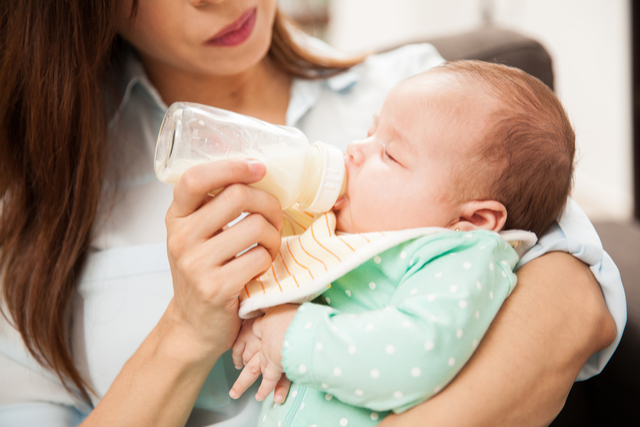
How To Burp Your Baby
Speak softly to your baby.
Baby squirms and cries while bottle feeding breast milk. Crying and fussing during feed: If your baby is crying during a bottle feeding, your first thought may be that your baby has an allergy. Baby fussing during feeding bottle.
Refusing to eat and choking can be caused by anything from acid reflux or a formula intolerance to issues with the bottle and nipple. If your baby is crying a lot after every feeding, it may simply be a buildup of air swallowed while eating. This means the baby will experience a slower flow.
Burping can help bring up the bubbles, so give it a try if she seems uncomfortable or turns away from the bottle but doesn’t seem full. He wants to convince your body to create more milk for him. Oct 5, 2015 at 9:41 am.
Clever babies will quickly train their mothers to give him a bottle after he “puts in his time” at the breast.it’s worth repeating: Breastfeeding moms may feel desperate, “trapped” at home or angry that their baby isn’t figuring it out. Baby will arch, be fussy, scream or push at the breast and often a mom will see this as a sure sign that baby isn’t getting enough milk, when really he just wants faster flow.
When your baby goes through a growth spurt, they want to nurse more, and they demand more milk as well. Many babies will cry, fuss, pull off the breast, etc. If the baby seems happy and is feeding well, then no, it is perfectly reasonable for them to squirm around.
Follow feeding cues and don’t let them get to the hangry phase. Many babies cry while breastfeeding due to the flow of milk. Nipple size or the nature of the baby’s mouth or breast size can be the reason the baby latch and unlatch repeatedly.
When your milk is flowing fast, the chances are baby will gulp lots of air while feeding. She might have some gas in her tiny tummy. The baby can be fussy and may cry when feeding while experiencing a growth spurt.
5) anatomy may come into play. There are several physical, medical reasons why a baby might cry at your breast, including food intolerances, allergies, foremilk/hindmilk imbalance (too much milk, creating painful gas), reflux, or illness. It may also be beneficial to check the position in which you are feeding your baby.
How to address baby squirms episodes while feeding. Reflux or gas is likely. Offer the bottle again after soothing or burping your baby.
Oct 5, 2015 at 10:38 am. As an international board certified lactation consultant, i get frequent calls from moms whose babies scream and cry during breastfeeding—sometimes rejecting. Alternate your breasts at each feed.
Nuk classic baby milk feeding bottle disney's winnie the he feeds fine to start with, but after a while he starts latching on and off and screaming. Nipple shields are small silicone covers with holes in the tip that fit over a nipple. If your baby has a tummy ache, it’s possible they may just need to be burped.
Stop feeding when baby turns his or her head away, cries, or squirms. A baby who has been exclusively breastfed beyond the age of 3 months will often refuse milk from a bottle because it doesn't feel right and she doesn't know how to suck from a bottle. Babies may appear hungrier and feed more during this time.
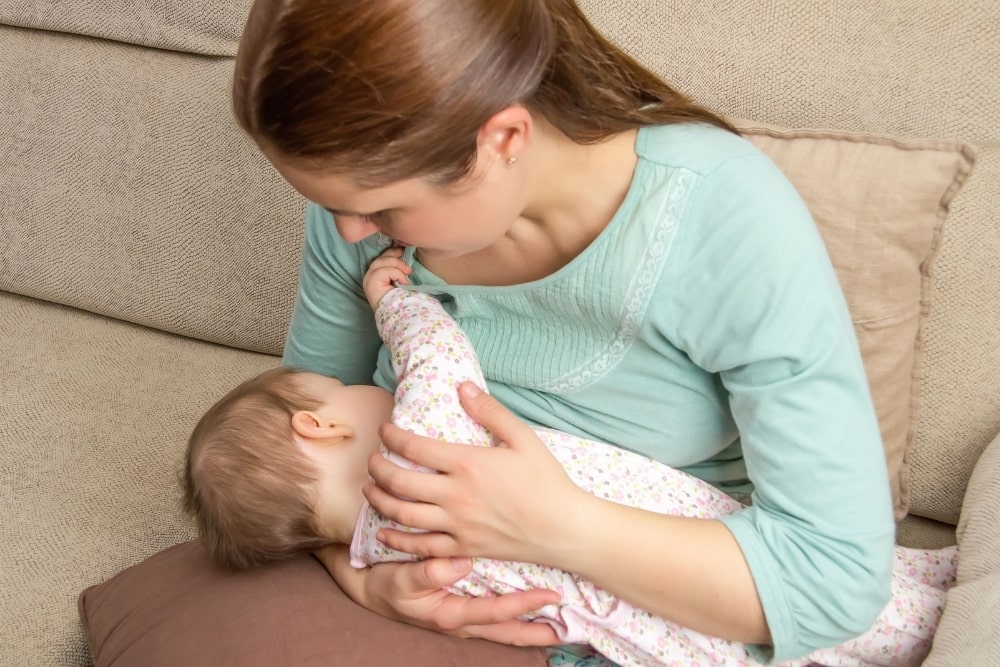
A gassy baby is a fussy baby, so burp… Let baby decide whether or not to eat more. That’s why you might find your baby twisting and pulling while breastfeeding;
Nipple shields—make a breast more like a bottle. Another possibility is your baby may be reacting to the taste of the milk. Your baby might move, squirm, and push at your breast in an attempt to get more milk.
Fussing or crying during or after a feeding baby pulling away or bobbing on and off during breastfeedin bottle feeding problems when your baby squirms, appears uncomfortable during feed, fusses, cries or refuses to eat, it can be challenge to figure out the cause. First, it’s important to make sure your baby isn’t actually suffering physically. Similarly, the adult attempting to feed the baby with a bottle may be frustrated or fearful because it hasn’t been going well.
The volume a breastfed baby may need when they are away from their mother can vary. When baby begins to stir, place the bottle from the refrigerator in a bowl of warm water (bath temperature) or a bottle warmer while the person offering the bottle goes to get baby from his bed, changed and ready for the feeding. This adjustment helps him get the best out of a feeding session.
That way, once the flow slows down on the breast baby is feeding on, they might stop fussing. A baby will quickly train his mother. Feed one side at a time:
How much milk will my baby need per feed? If you notice that your baby is crying during or shortly after a bottle feed, is having difficulty taking a poo, is pulling his or her legs up to their chest whilst crying, is vomiting, having diarrhea, has mucus or blood in the stool or is exceptionally windy following feeding times, it may be that your baby is having a negative reaction to the formula you are attempting to feed him or her. A gassy baby is a fussy baby, so burp them regularly, during and after the feed.
Try to burp between breasts and after a feeding, but don’t worry if baby does not burp and is content. If they need to burp. Once the fever is cleared, then he’ll go back to regular feeding.
Hold your baby securely but not too tightly. It may be helpful to try it when your baby is sleepy or in light sleep and with a breast. While some new parents who have problems breastfeeding think it will be smooth sailing if they switch to formula, it's important to understand that babies can have bottle feeding problems too.
When the baby doesn’t feel like there’s a generous flow of milk, he will unlatch to latch on again. Look at him or her and smile.

What To Do When Burping Fails
Bottle Feeding Problems Baby Care Advice

10 Reasons Your Baby Squirms While Breastfeeding

Wmadqq2p-mex7m

Bottle Feeding Problems Baby Care Advice
Why Does My Baby Squirm While Nursing

Baby Fussy During Feeding Bottle Know The Causes And Solutions
Baby Squirms And Cries While Bottle Feeding Why What To Do - Natural Baby Life
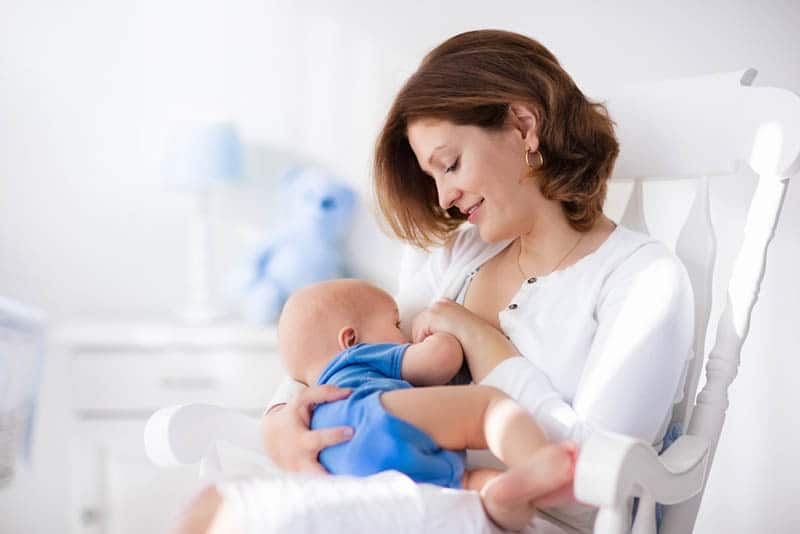
10 Reasons Your Baby Squirms While Breastfeeding
:max_bytes(150000):strip_icc()/GettyImages-538254701ThanasisZovoilisTaxi-569e79c25f9b58eba4ac6946.jpg)
How To Know When Your Baby Is Hungry
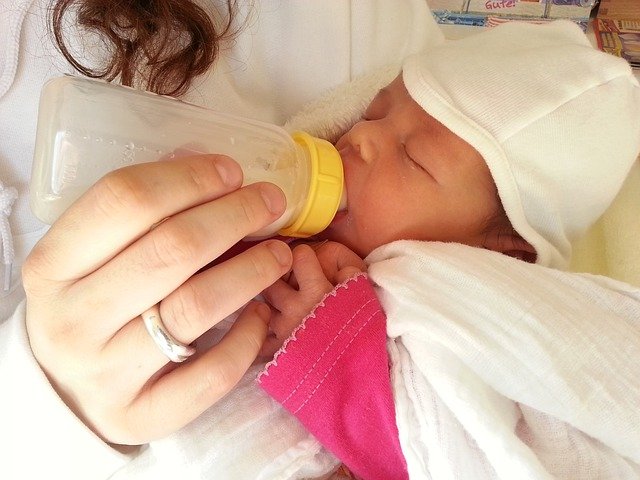
Baby Crying While Drinking Bottle

Newborn Squirms When Taking Bottlewhat Could It Be
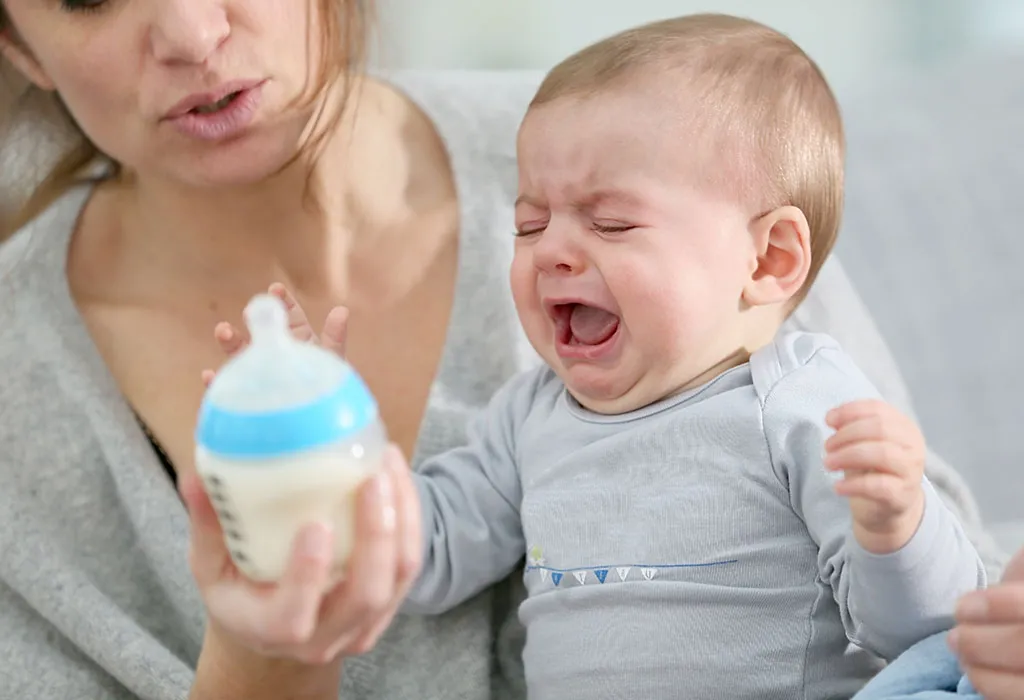
10 Common Bottle Feeding Problems And Solutions
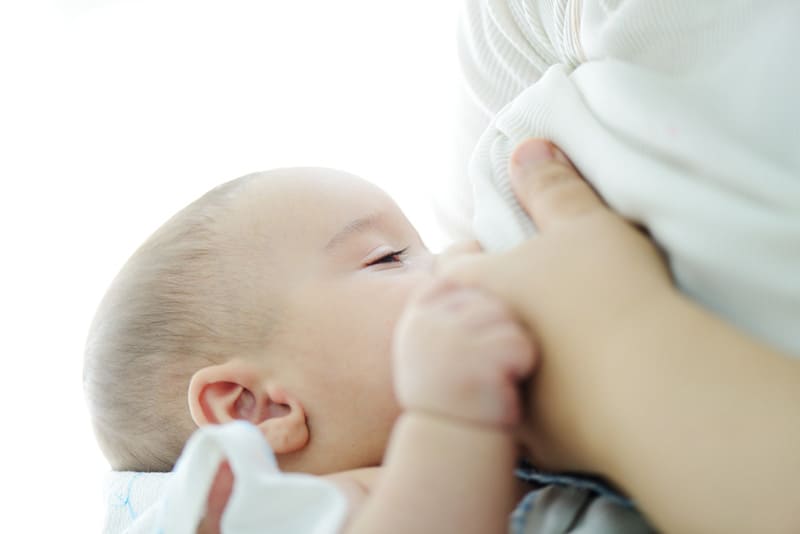
10 Reasons Your Baby Squirms While Breastfeeding

Experts Claim That These Are The Seven Reasons Why Babies Squirm While Feeding Eibikcom

Baby Squirms And Cries While Bottle Feeding Why What To Do - Natural Baby Life
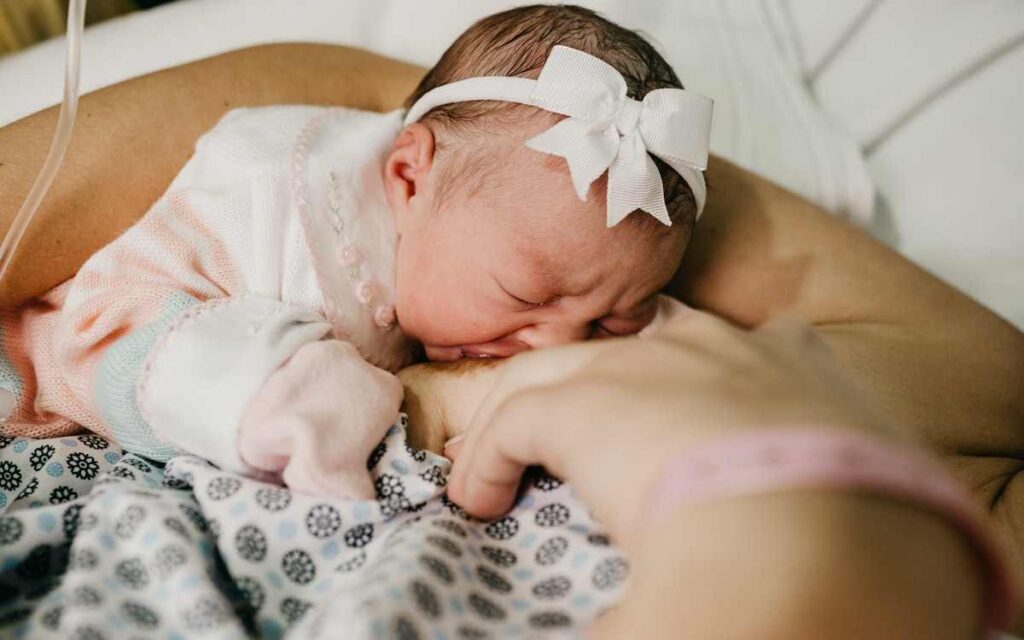
Baby Squirms While Breastfeeding 7 Reason Why Your Baby Acts Crazy While Breastfeeding Kiddiesquare

10 Reasons Your Baby Squirms While Breastfeeding

My Baby Fusses Or Cries When Breastfeeding - Whats The Problem Kellymomcom