It encompasses abnormal development of the acetabulum and proximal femur and mechanical instability of the hip joint (. Doctors test every newborn for hip instability with a variety of maneuvers.

Developmental Dysplasia Of The Hips Start Screening For This At Age 2 Weeks With Barlow Nursing School Tips Developmental Dysplasia Of The Hip Nursery Nurse
This is necessary to make the diagnosis or to be sure the hip is normal.

Hip dysplasia in babies test. This angle is considered normal if it is more than 60 degrees. It should not cause them any discomfort. Beyond clinical screening exams, us (ultrasound) is the preferred technique.
Read about causes, signs, diagnosis and treatment for hip dysplasia in infants. Any infant with the following risk factors should be considered “high risk”: If the condition is present and ignored, it can aggravate over the years and get extremely painful for your child.
In 1978, ultrasound examination was introduced as a tool for detecting developmental dysplasia of the hip and evaluating infants with an abnormal physical examination.33 graf, the pioneer in this. Likewise, the space between the infant’s legs can appear wider than normal. Mandatory hip examination [see appendices for summary] nb.
Your baby should have an ultrasound scan of their hip between 4 and 6 weeks old if a doctor, midwife or nurse thinks their hip feels unstable. Physical exams aren't 100 percent effective for diagnosing hip dysplasia, so babies with apparent risk factors often need additional testing to confirm it, including: The one that is used the most to help guide treatment is the alpha angle.
An ultrasound study in young infants is performed when hip dysplasia is suspected. But for babies with an abnormal physical exam or major risk factors for developmental dysplasia of the hip, or ddh, (family history, breech position etc.) the aap supports referral for ultrasound and/or pediatric orthopedic consultation. How is hip dysplasia evaluated?
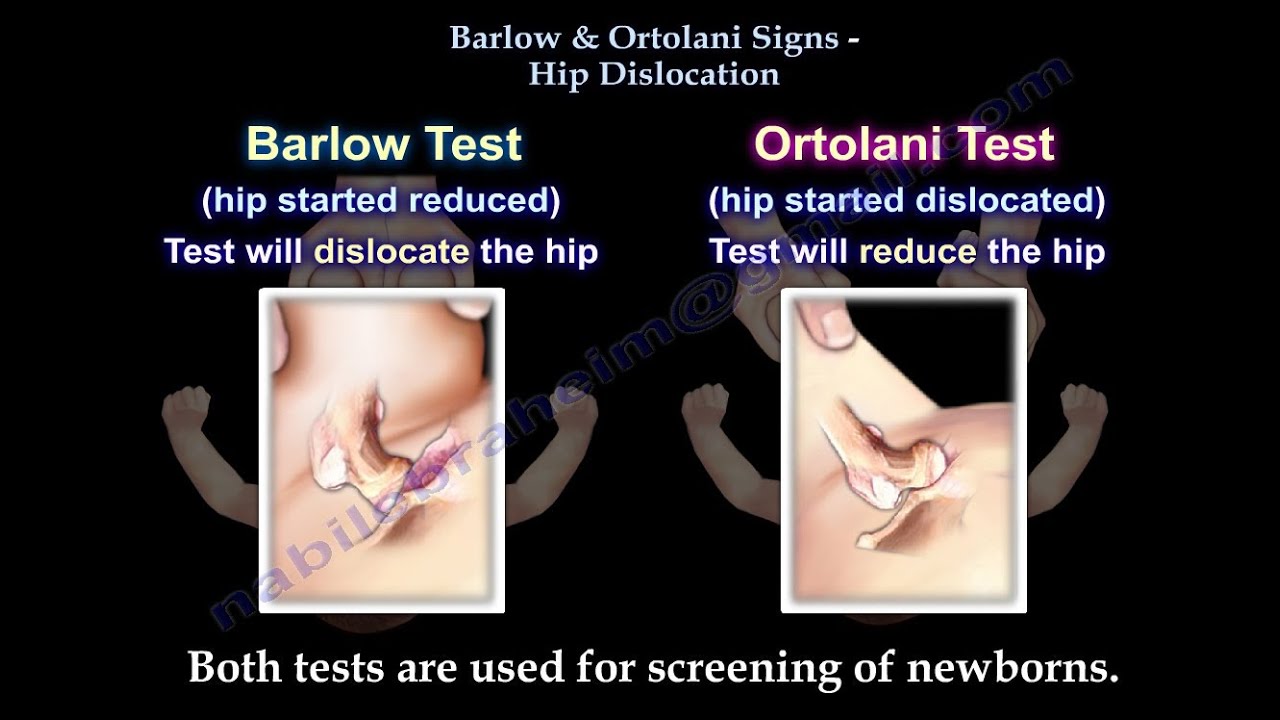
“with hip dysplasia, they can feel the hip joint ‘clunk’ and pop in and out of the socket,” says dr. It is used to visualize acetabular dysplasia, hip dislocation, femoral head anatomy, ligament teres, and hip capsule. The ortolani method is an examination method that identifies a dislocated hip that can be reduced into the socket (acetabulum).
The most important finding to know is femoral head coverage by acetabulum (minimum 50%) and depth of the bony acetabulum (alpha angle: In babies with hip dysplasia, the joint has not formed normally, and the hips are prone to moving in and out of joint. Though us screening of all infants is not advised, infants with identified risk factors or questionable exams should be routinely screened.
Hip dysplasia is a fairly rare genetic condition which is often present at birth of the patient. Two tests are performed, called the barlow and ortolani tests, to examine the function of the hip joints. Hip dysplasia is a rather uncommon condition in babies, affecting them in a ratio of one out of every a thousand babies.
For mild and moderate ddh, children generally wear braces for three months. This test is recommended for infants 4 months and younger, because the hip is still predominantly cartilage and unable to be seen clearly on other scans. As the hips are moved in these tests, a hip click can be felt by the examiner.
It is the preferred way to diagnose hip dysplasia in babies up to 6 months of age. If your baby is diagnosed with developmental dysplasia of the hip (ddh) when he’s a newborn or young baby, doctors might recommend a brace. One common sign is the appearance of 1 leg being shorter than the other.
Hip dysplasia also known as ddh is an anatomical abnormalities of the hip joint in which the femoral head has an abnormal relationship with the acetabulum (shahryar etal, 2010). Children under 6 months of age: All newborn infants should have their hips examined before discharge as part of their newborn examination.
Keeping a lookout for the presence of hip dysplasia in your baby, especially after he turns a year old, is usually recommended. Here are some pictures to help you find out how the dislocation of the hip affects the appearance of a newborn. More than 60 degrees considered normal).
Imaging diagnostic tests are extremely important in diagnosing hip dysplasia. Hip dysplasia in infants pictures. There are angles that are measured during the examination.
Also, the leg with the dislocated hip can turn The american academy of pediatrics does not recommend routine ultrasounds for every infant. The examination involves gently moving your baby's hip joints to check if there are any problems.
Developmental dysplasia of the hip (ddh) comprises of a. Infants can have a variety of signs related to hip dysplasia. Assess the newborn infant for any risk factors for ddh.
The femur (ball) and the acetabulum (socket). Developmental dysplasia of the hip (ddh) describes a spectrum of conditions related to the development of the hip in infants and young children. The doctor will do a physical exam and order diagnostic tests to get detailed images of your child’s hip.

Pin On Nursing

Dysplasia Of The Hip Pediatric Nursing Pharmacology Nursing Nurse Teaching

A Patients Guide To Developmental Dysplasia Of The Hip In Children Developmental Dysplasia Of The Hip Hip Dysplasia Pediatric Physical Therapy

Pin On Things For My Wall

Steps To Help Avoid Hip Dysplasia In Babies Hip Dysplasia Baby Baby Wearing Hip Dysplasia

Pin By Liz Digby On Nursing Student Neonatal Nurse Newborn Nursing Pediatric Nursing
Ortolani Barlow Maneuver - Google Search Pathophysiology Nursing Midwifery Schools Developmental Dysplasia Of The Hip

Hip Dislocation Tua Tagovailoas Injury Town Center Orthopaedic Associates In 2021 Hip Dislocation Dislocation Hips

Congenital Hip Dysplasia Pediatric Nurse Practitioner Pediatric Nursing Mother Baby Nursing School

Pin On Maternity

Hip Dysplasia Hip Ped Pediatric Nursing Neonatal Nurse Newborn Assessment

Our Hip Dysplasia Journey- From Double Nappies To The Pavlik Harness Flicks And Red Lips Hip Dysplasia Hip Dysplasia Baby Hips

Neonatal Hip Ultrasound Ultrasound Diagnostic Medical Sonography Ultrasound Sonography

This Article Goes Over In More Depth About 11 Different Common Newborn Infant Reflexes Describes What The Nursing Assessment Newborn Nursing Pediatric Nursing

Pin On Afrika
Pin On Infants

Different Type Of Osteotomy Salter Pemberton Staheli Shelf Note All Osteotomy Starting With S Have Wedge Osteotomy

Baby Wearing Baby Life Hacks Hip Dysplasia Baby

Dysplasia Of The Infant Hip In This Article We Discussed- What Is Hip Dysplase Hip Dysplasia Hip Dysplasia Baby Baby Development Activities